June 29, 2026
Roofing Proposal Software: How to Create Winning Quotes in Minutes
Author
9 minute read
Share

In 2026, homeowners expect the same digital experience from their roofer that they get from their bank or insurance company — a professional document they can read on their phone, sign without printing anything, and pay for without mailing a check. That expectation has shifted substantially in the last few years. Roofers who still hand over handwritten quotes or email PDF attachments built in Word are competing at a structural disadvantage against companies who present polished, interactive proposals that can be signed the same day the estimate is delivered. As the National Roofing Contractors Association notes in its professional resources, the business practices that distinguish top-performing roofing companies increasingly include technology adoption and professional client communication.
Your proposal is often the deciding factor in whether a homeowner chooses you. This guide covers how proposal software works, what features matter most, and how to use it to close more roofing jobs without adding people or time.
The Real Cost of Building Proposals Manually

Manual proposal creation fails in ways that are easy to overlook because the costs are invisible. Building a proposal from scratch — looking up material prices, calculating quantities, formatting a document, finding project photos — takes 30 to 60 minutes per estimate. Multiply that across your monthly estimate volume and you have a significant block of time that could go toward selling, managing jobs, or anything else. More importantly, that time introduces delay.
In roofing sales, the first roofer to deliver a clear, professional estimate usually wins — not necessarily because their price is lower, but because they've already established credibility while competitors are still building their quotes at the office. A homeowner who receives one estimate on-site and then waits three days for everyone else has already formed an impression. If yours arrives last, you're fighting an uphill battle.
Manual processes also produce inconsistent quality. Every proposal looks different depending on who builds it, how much time they had, and which template they started from. A customer comparing quotes from three roofers will notice if one looks professional and two look like they were assembled in a hurry. Presentation quality is a proxy for workmanship quality when the homeowner can't yet evaluate the actual work.

Then there's the acceptance problem. Traditional proposals require the homeowner to print, sign, scan, and return a document — a multi-step process that creates friction at exactly the moment when the customer's interest is highest. Every unnecessary step between "I want to move forward" and a signed contract is an opportunity to lose the deal.
What Proposal Software Solves
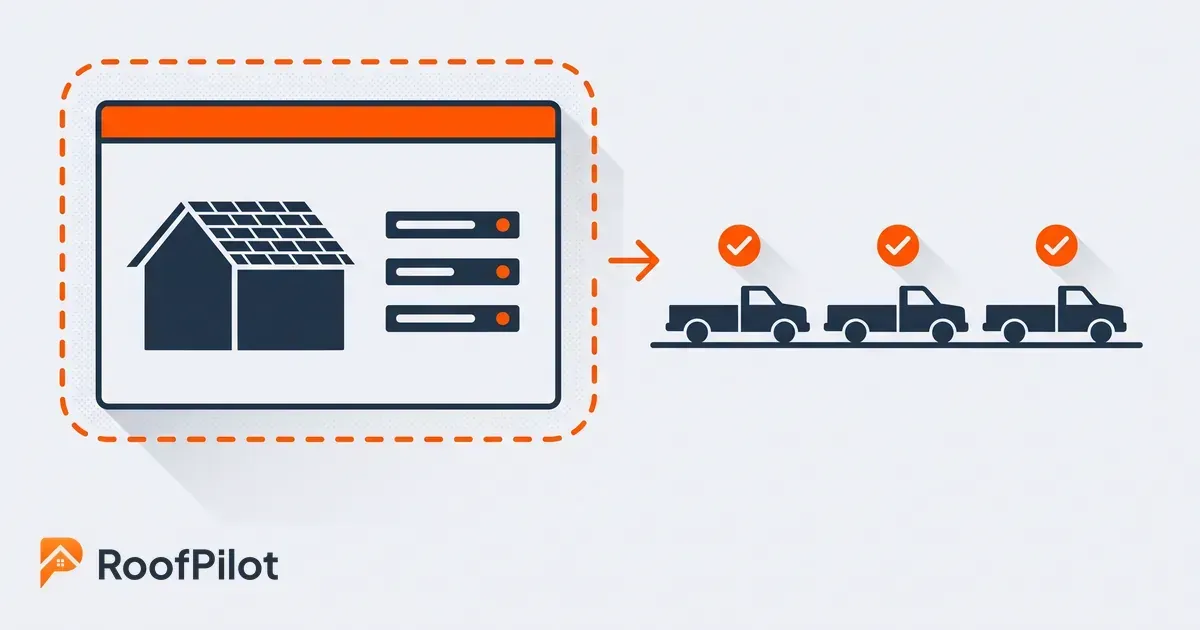
Good roofing proposals software addresses all of these problems in one system. Speed comes from template-based creation — you start from a pre-built structure, fill in the specifics for the job, and generate a formatted proposal in five to ten minutes rather than an hour. Measurements and pricing flow directly into the document without re-typing. The result is a proposal that can be delivered the same day as the inspection, or in some cases on-site before leaving the property.
Consistency comes from standardized templates that apply your branding — logo, colors, fonts — across every proposal regardless of who creates it. Every estimate looks professional because the system enforces that standard rather than leaving it to individual effort.
Accuracy improves because material pricing is pulled from your database rather than looked up manually each time. Math is automatic. Scope-of-work language is standardized. The risk of typos, calculation errors, or missing line items drops significantly.
Tracking solves the follow-up guesswork. You can see when a homeowner opens your proposal, which sections they spend time on, and when they've returned to it multiple times — all signals about where they are in the decision process that let you time follow-up calls with much better precision than waiting and hoping.
And acceptance becomes frictionless. Digital signatures let customers sign from their phone in seconds. Payment integration lets you collect a deposit at the same moment the contract is signed, before the excitement fades and competing priorities take over.

Features That Actually Matter

Not all proposal tools are equal. When evaluating options, there are a handful of features that meaningfully affect outcomes versus features that look good in a demo but rarely change results in the field.
Template quality and flexibility are the foundation. You need templates that cover your most common job types — standard residential re-roof, storm damage, repair, commercial — and the ability to customize scope, materials, and layout without having to rebuild from scratch each time. Templates should support your branding fully, not just let you drop in a logo on a generic background.
Good-better-best pricing options are one of the highest-leverage capabilities in proposal software. When a customer receives three clearly differentiated tiers with different materials, warranties, and price points, they shift from deciding whether to hire you to deciding which level fits their situation. The middle option consistently captures the most business; the premium option captures a meaningful share of customers who want the best available materials. Companies that offer tiered options typically see higher average job values than those that present a single price.
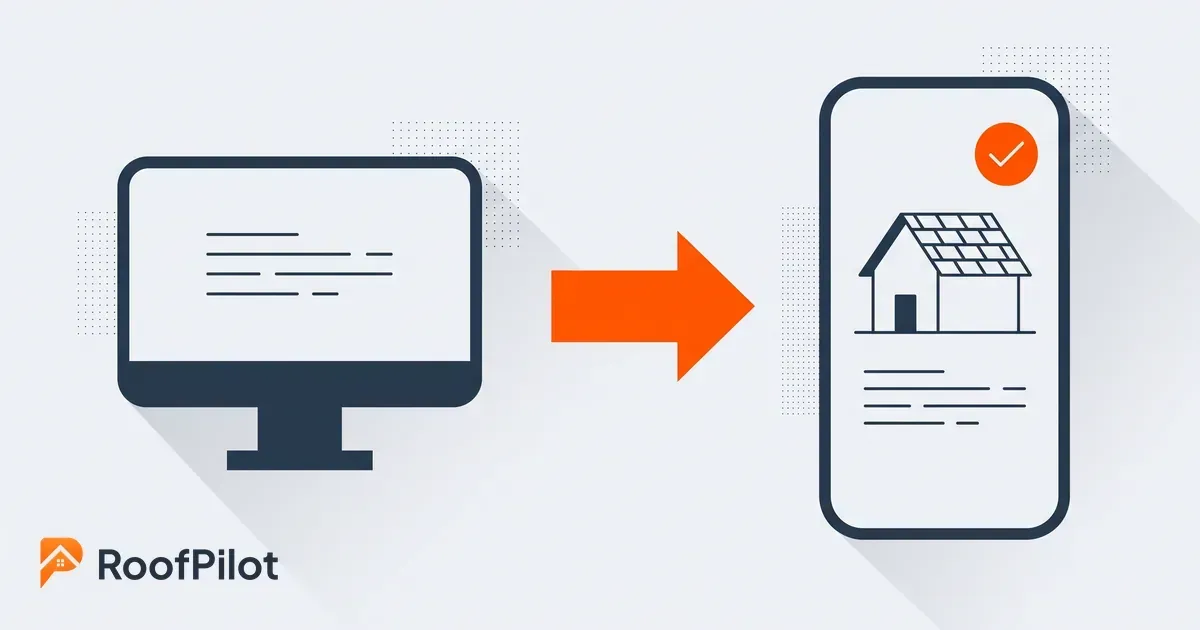
Mobile functionality determines whether you can deliver proposals the same day. If you can't pull up measurements, configure options, and send a proposal from the field on your phone or tablet, you'll always be going back to the office to finish quotes. The best field tool is the one that lets you present the proposal to the homeowner at the kitchen table before you leave.
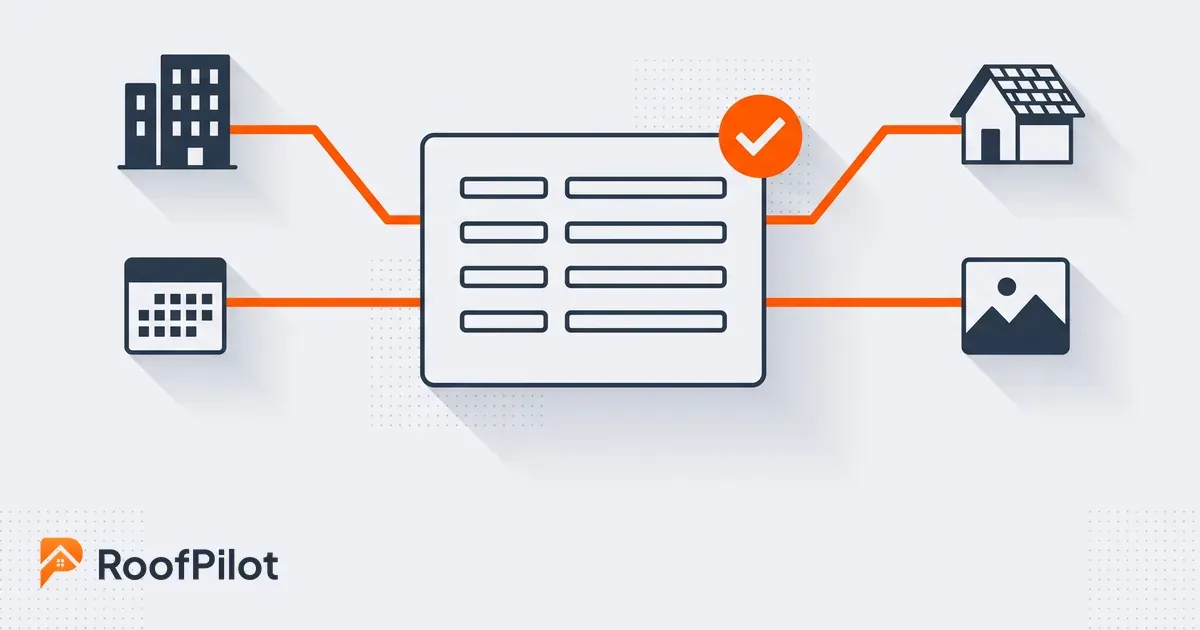
CRM integration is what separates a standalone proposal tool from a platform that actually helps you run a business. When proposals are connected to your contact and deal records, every action — sent, opened, signed, declined — flows into the customer history automatically. There's no separate system to update and no information siloed away from the follow-up process.
E-signature and payment collection round out the core requirements. Customers should be able to sign from any device. Deposits should be collectable at the moment of signing. These aren't add-ons — they're the features that close the gap between a presented proposal and a signed job.
What this means for your business: The roofer who delivers a professional estimate the same day and makes it easy to sign on a phone wins the deal at a disproportionate rate — not because the price is necessarily lower, but because ease and speed signal the same organizational quality the homeowner wants to see during the actual project.
What a Winning Proposal Covers
Software makes proposals faster, but the content still has to do the work of building trust and justifying the investment.
The scope of work is the most important section and the one that gets cut short most often. Specificity matters: "Remove existing asphalt shingles, install Owens Corning Duration architectural shingles, 130 mph wind rating, Lifetime limited warranty, color selected by customer" is a fundamentally different statement than "roof replacement." It tells the homeowner what they're paying for. It tells them you know your materials. It eliminates post-job disputes about what was and wasn't included. The scope section should also explicitly list what is not included — decking repair, gutter work, interior repairs — so there's no ambiguity when those topics come up.
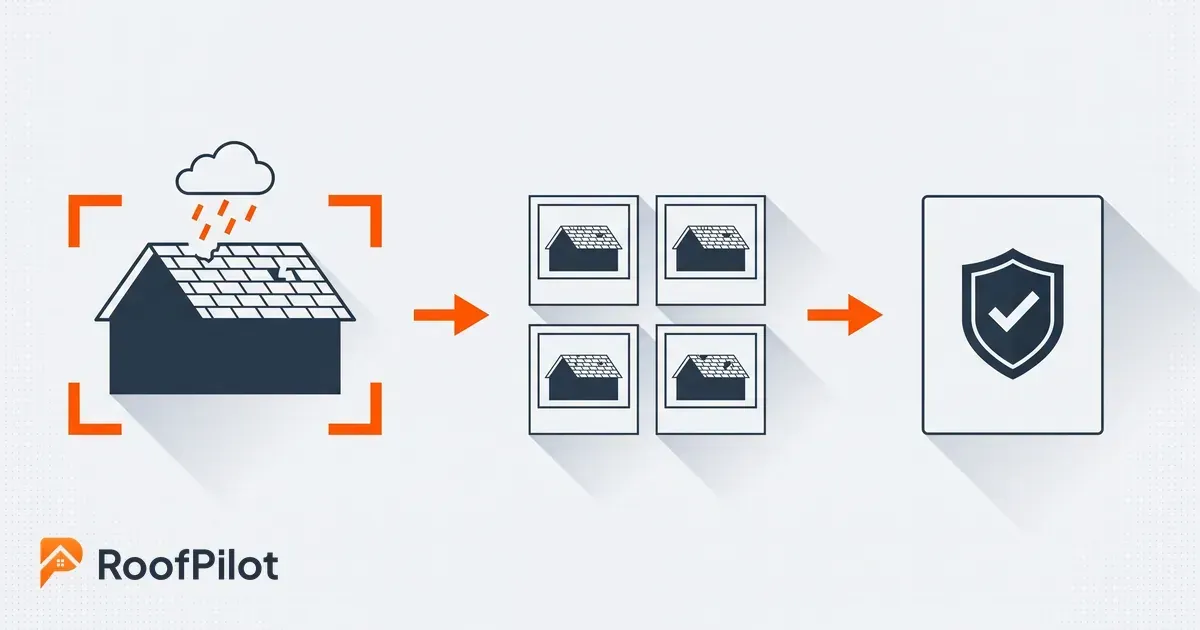
Photo documentation transforms a proposal from a claim into evidence. Inspection photos showing the damage or wear you identified from the street give the homeowner a reason to care before you've gotten to price. Before-and-after examples from similar projects show what the finished product looks like. Material samples or digital color selections make the decision concrete rather than abstract.
Company credentials close the trust gap for homeowners who don't know you yet. Years in business, licenses, insurance coverage, certifications from manufacturers, and a selection of genuine customer reviews belong in every proposal. These aren't boastful additions — they're answers to questions the homeowner is forming while they read.
The acceptance section should make the next step as clear as possible: a digital signature link, a deposit amount, and a scheduled start window. The goal of the entire document is to bring the homeowner to this page feeling confident about their decision.

Delivering Proposals That Get Signed

Sending a proposal is not the same as presenting one. Homeowners who receive a link via email without any context are less likely to engage with it than homeowners who had the proposal walked through with them, either in person or over a brief phone call.
The strongest scenario is the on-site presentation — reviewing the proposal together during the appointment, addressing questions as they come up, and asking directly if the homeowner is ready to move forward. Momentum is highest at this moment. If the job is straightforward and the homeowner seems ready, there's no reason to wait.
When on-site closing isn't the right move, a quick verbal summary before sending covers the key points: total investment, materials and warranty, timeline, and next steps. Give the homeowner a reason to open the email — "I'll send over the proposal now; it walks through everything we discussed and has a link to sign if you're ready to move forward."

For proposals that don't result in a same-day decision, the follow-up sequence picks up the work. Tracking opens tells you when the homeowner is engaged; follow-up calls within 24 hours of a first view consistently outperform calls on a fixed schedule because you're reaching people while the proposal is still on their mind.
Measuring Proposal Performance
Proposals generate data that most roofing businesses underuse. Tracking a few core metrics over time reveals patterns that improve both close rate and efficiency.
View rate measures whether proposals are being opened at all. A low view rate suggests delivery problems — wrong contact information, emails going to spam, or homeowners who aren't motivated to engage. Time-to-first-view tracks how quickly homeowners look after receiving a proposal, which correlates with urgency and decision readiness.
Acceptance rate is the metric that matters most: proposals signed divided by proposals sent. Track this by proposal value, job type, and salesperson to identify where conversion is strongest and where it breaks down.
Average time to sign reveals the natural pace of your market. If most deals close within three days, proposals that sit unsigned at day seven have a real problem — either an unresolved objection or a lost deal that hasn't been officially acknowledged. That distinction is worth making, because the follow-up approach for each is different.
What this means for your business: Proposal analytics aren't abstract management data — they're a map of where deals are won and lost. A team that reviews these numbers monthly will make continuous improvements to their close process that compound over time.
The Bottom Line
Professional proposal software is a direct multiplier on the close rate of every lead you generate. Faster delivery wins the deal before competitors have finished their quote. Consistent presentation builds the trust that justifies the price. Digital signing and instant deposit collection close the gap between a verbal yes and a signed contract. And CRM-connected tracking makes follow-up systematic rather than dependent on memory.
RoofPilot brings all of these capabilities together — roofing proposals, e-signatures, payment collection, and CRM follow-up in one platform, so every proposal that goes out has the same professional backing regardless of who sent it or how fast the day moved.