October 9, 2026

Managing Your Roofing Production Backlog

Author

Liam Walsh

9 minute read

Share

roofing production backlog

Your roofing production backlog is all the work you have sold but not yet built, and it is one of the most important numbers in your business that most owners never actually measure. It is the stack of signed jobs sitting between the sale and the finished roof, waiting on a crew. Manage it well and it is a steady runway of profitable work. Manage it badly and it becomes a pile of aging jobs, anxious customers, and cash you have earned but cannot yet collect.

This guide answers the practical questions about that stack. What a production backlog actually is, why it matters even when it feels good to be busy, how it differs from your capacity, how much backlog is healthy, how to keep jobs from going stale while they wait, and how to measure whether yours is working for you or against you. The goal is to treat the backlog as something you actively manage, not just a queue that happens to you.

What is a roofing production backlog?

backlog vs pipeline
backlog vs pipeline

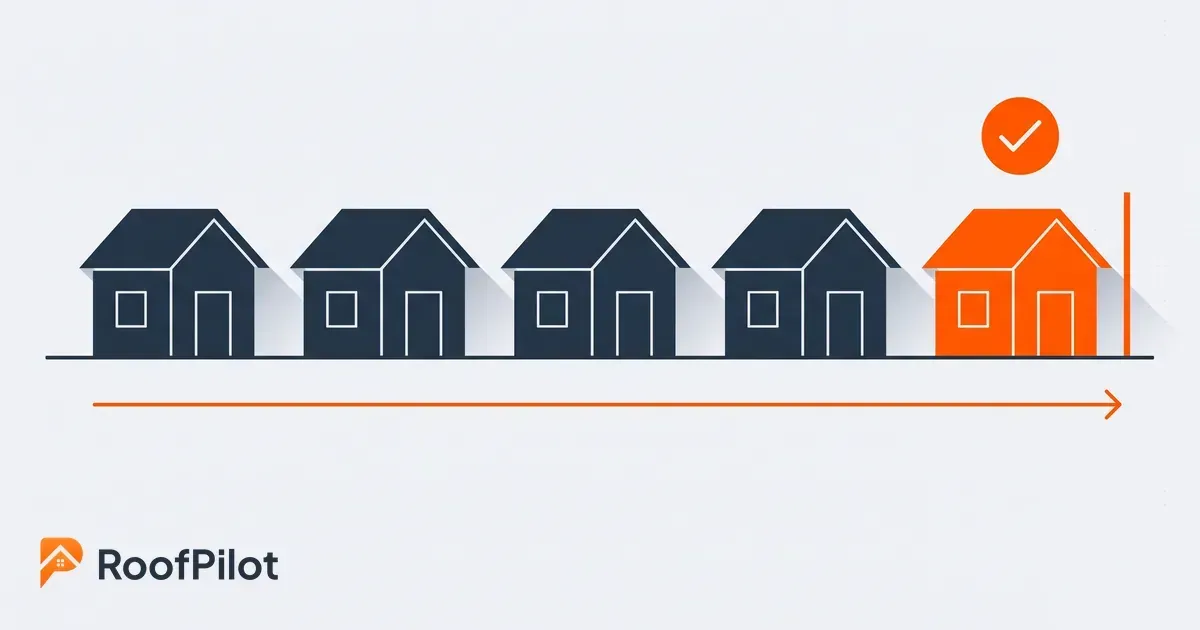
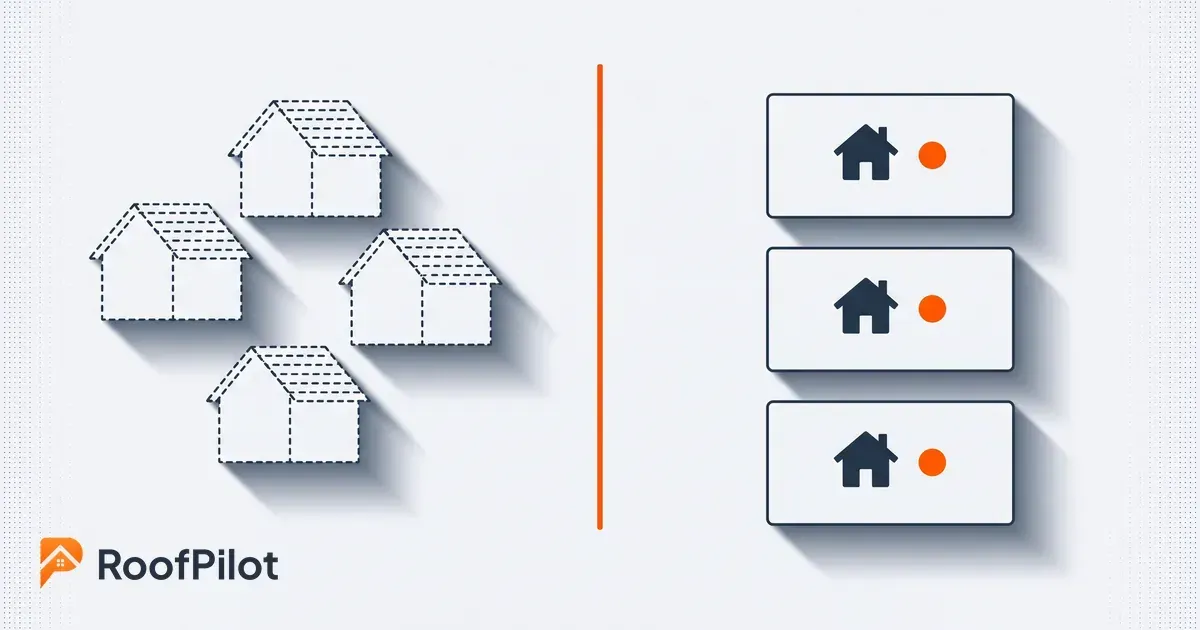
A roofing production backlog is the total volume of sold, signed work that has not yet been completed. It is everything past the handshake and before the final cleanup: jobs waiting to be scheduled, jobs scheduled but not started, and jobs in progress but not done.

It is worth separating from your sales pipeline, because the two get confused. The pipeline is work you hope to win, leads and proposals that may or may not close. The backlog is work you have already won and now owe. That distinction matters because a backlog is a promise: every job in it is a customer who has agreed to pay you and is now waiting for the roof you said you would build. Treating the backlog as a real, countable commitment, rather than a vague sense of being booked out, is the first step to managing it.

Why does your production backlog matter?

Your backlog matters because it is money you have earned but not yet banked, and it decays if you ignore it. A job that sits too long in the backlog is a customer whose enthusiasm is cooling, whose neighbor's roofer might call, and whose deposit is doing nothing for your cash flow while your competitor is finishing roofs and getting paid. A backlog is an asset only while it is moving.

Demand also makes the backlog worth watching closely. Industry-wide, construction backlog slipped to about 8.1 months late in 2025, and thinner backlogs tend to bring more aggressive bidding and tighter competition. When work is harder to win, the jobs already sitting in your backlog get more valuable, not less, and letting one age out because you lost track of it is an expensive mistake. The backlog is not just a scheduling detail. It is the buffer that keeps your crews working through slow stretches and the revenue you have already earned the right to collect.

What this means for your business: Put a real number on your backlog and look at it every week, the same way you look at sales. A backlog you cannot see is a backlog you cannot protect, and the jobs that quietly age in it are the ones that turn into cancellations and refunds instead of finished roofs.

Backlog or capacity: what is the difference?

Backlog is the work you have already sold and owe; capacity is how much of it you can actually build in a given period. They are two halves of the same equation: your backlog is the demand you have committed to, and your capacity is the rate you can burn it down. Confusing them is how roofing companies overpromise.

The relationship is what you manage. A backlog that keeps growing faster than your capacity can clear it means start dates stretch further and further out, until customers give up waiting. A backlog that shrinks toward zero means your crews are about to run out of work. Reading the two together tells you what to do: whether to sell harder, hire, or slow your promises. If you have not put a real ceiling on what your crews can complete, our companion guide on how much work you can actually take on is the other half of this picture, and the two numbers only make sense side by side.

How much backlog is healthy?

healthy roofing backlog

A healthy backlog is big enough to keep your crews busy for a comfortable stretch but not so big that customers wait long enough to cancel. Measure it in weeks of work, not dollars: take the volume of sold work waiting and divide it by how much your crews complete in a week, and you get your backlog in weeks, which is the number that actually tells you something.

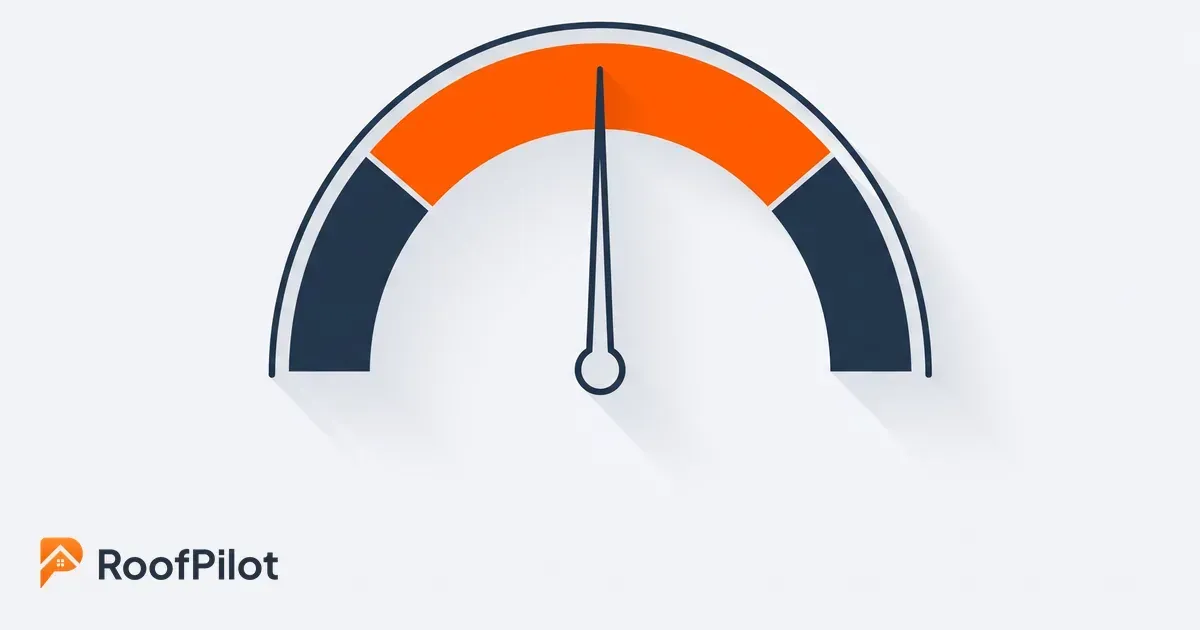
The right band depends on your market and the season, but the failure modes are clear at both ends. Too little backlog, say under a couple of weeks, and a single rained-out stretch or a slow sales week leaves crews idle and payroll running against no revenue. Too much, say stretching past a couple of months, and your start dates get so far out that customers cancel, dispute deposits, or hire whoever can start sooner. Many roofing companies find a comfortable range somewhere between a few weeks and a couple of months of work, tighter in peak season when customers expect to wait and shorter in the slow season when they will not. The exact numbers are yours to find, but you cannot find them until you are measuring the backlog in weeks in the first place.

How do you keep jobs from aging in the backlog?

roofing backlog aging

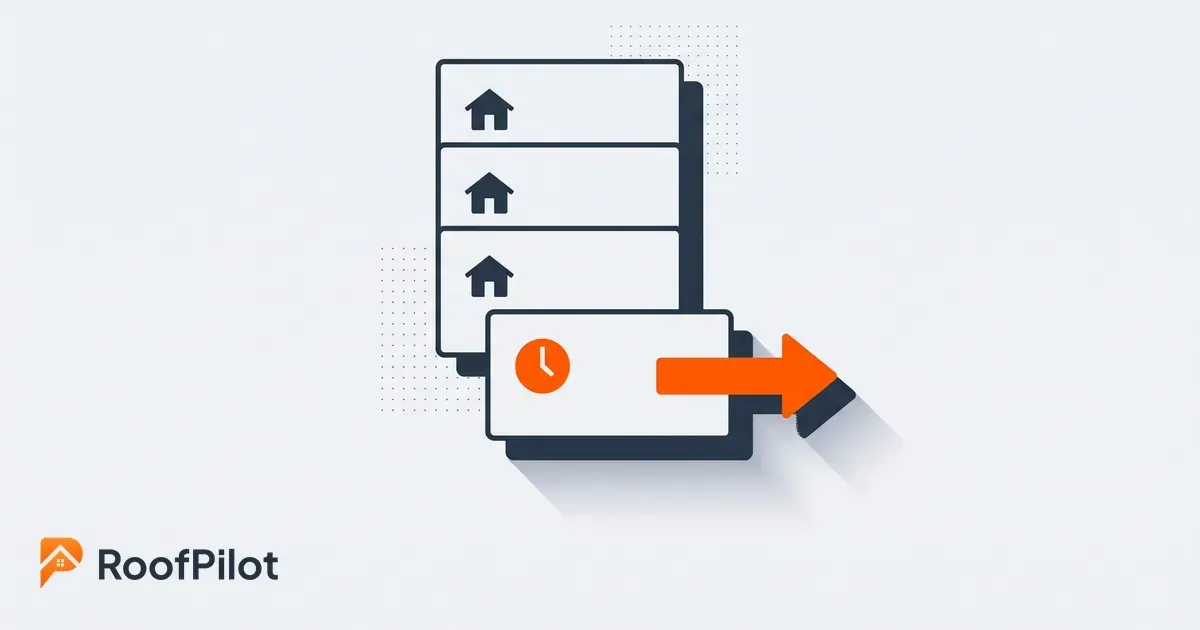
You keep jobs from aging by making the backlog visible and working it in a deliberate order, instead of letting the loudest customer or the newest sale jump the line. A backlog managed by whoever calls to complain is a backlog where quiet, patient customers rot at the bottom until they cancel. Order the queue on purpose.

A few habits keep the backlog flowing. Sequence jobs by a clear rule, usually the order they were sold, adjusted for weather windows and material readiness, so nothing sits forgotten. Watch the age of every job in the backlog and chase the oldest ones first, because an aging job is a cancellation forming. Keep the whole backlog somewhere the office and the field can both see it, so a job never falls off simply because it lived in one person's head. When you see the whole backlog on one production calendar, the jobs waiting, scheduled, and in progress are all in front of you, and you can turn the backlog into a week's schedule without anything slipping through the cracks. Running it all in RoofPilot, where the sold job, its work order, and its place in the schedule are one record, is what keeps the backlog from becoming a stack of jobs nobody is quite tracking.

What this means for your business: Sort your backlog by job age today and look at the oldest five jobs. If any of them surprise you, that is exactly where you are quietly losing work, and a single phone call to each is usually enough to move it forward before it turns into a cancellation.

How do you know your backlog is healthy?

You know your backlog is healthy when it holds a steady few weeks of work, jobs move through it in a predictable order, and almost nothing cancels for waiting too long. A few numbers tell you whether that is true. Watch your backlog measured in weeks, so you can see it growing or shrinking before it becomes a problem. Track the average age of the jobs waiting in it, because a rising average age is the earliest warning that jobs are getting stuck.

Two more numbers close the loop. Watch your on-time start rate, the share of jobs that begin when you told the customer they would, since slipping start dates are the clearest sign your backlog has outgrown your capacity. And watch your cancellation rate on booked work, because customers backing out after signing is the loudest possible signal that jobs are aging past their patience. Most roofing companies track none of this and feel the backlog only as a vague sense of being slammed or slow. Put numbers on it and the backlog stops being a pile you dread and becomes a runway you manage, one you can keep full without letting anything on it go stale.

The Bottom Line

Your production backlog is revenue you have already earned the right to collect, and it holds that value only while it keeps moving. Treat it as a real, countable commitment, not a vague sense of being booked out. Measure it in weeks of work so you can see it against your capacity, keep it in a healthy band that neither idles your crews nor strands customers, and work it in a deliberate order so the oldest jobs never quietly rot at the bottom. Keep the whole thing visible to office and field alike, and watch backlog weeks, job age, on-time starts, and cancellations so you catch trouble early. Do that and the work you fought to sell actually turns into finished roofs and collected cash, instead of a pile of promises aging past their welcome.

Related reading:


By Liam Walsh • October 23, 2026
How to run a software pilot in your roofing company before you commit. Pick one crew and real jobs, set what to measure, and see if a new tool actually fits.
By Liam Walsh • October 19, 2026
A roofing mobile app puts the whole business in your pocket. Run jobs, photos, quotes, and invoices from your phone so the office and the roof stay in sync.
By Liam Walsh • October 16, 2026
Keep your roofing office and field data in sync. One source of truth across your CRM, calendar, and field tools so nobody rekeys or works off stale information.
By Liam Walsh • October 12, 2026
A roof photo workflow built for insurance claims. How to capture, organize, and time-stamp storm damage photos so an adjuster approves them the first time.
By Liam Walsh • October 5, 2026
What to put in a roof inspection report, a ready-to-use template you can copy, and how to turn your findings and photos into a report that wins you the job.
roofing capacity planning
By Liam Walsh • October 2, 2026
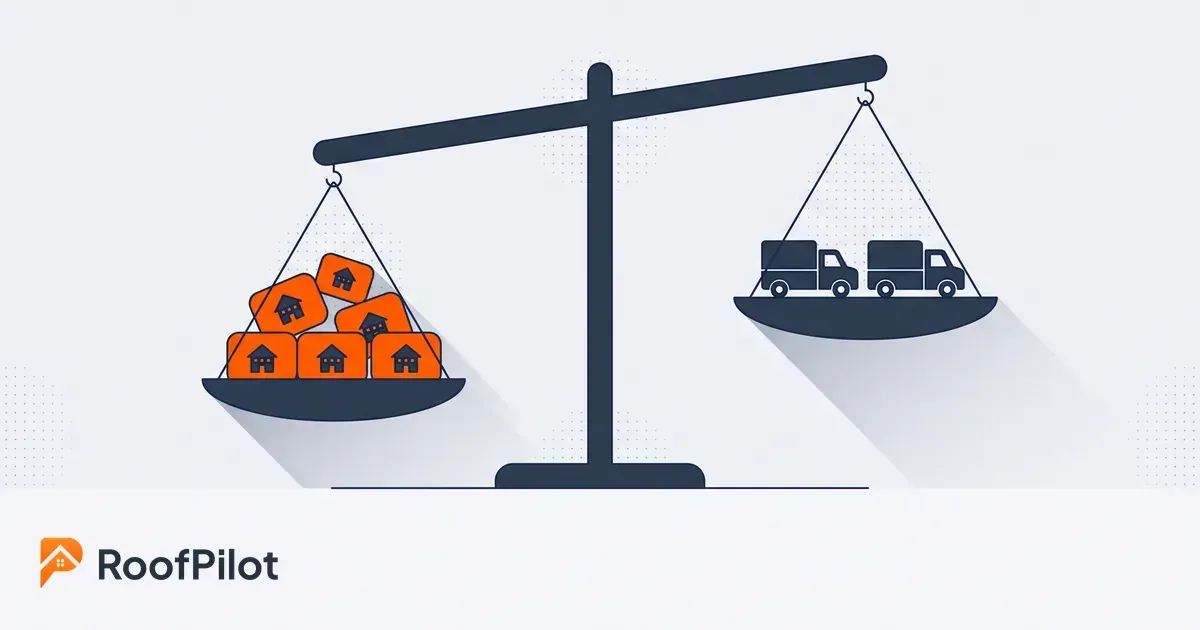
Capacity planning for roofing crews is knowing how much work you can actually take. How to size your real capacity, set a buffer, and match crews to demand.
roofing dispatch
By Liam Walsh • September 28, 2026
Roofing dispatch is getting the right crew to the right job on the right day. How to run day-of dispatch, cut idle crew hours, and keep every job on track.
sales to production handoff
By Liam Walsh • September 25, 2026
The sales-to-production handoff is where roofing jobs get dropped after the sale. How to hand off a signed job complete, set a handoff SLA, and stop the leaks.

roofing appointment setting
By Liam Walsh • September 21, 2026
How to book more roofing appointments and kill no-shows, from fast response and easy online scheduling to reminders that keep inspections on your calendar.
roofing pipeline hygiene
By Liam Walsh • September 18, 2026
Pipeline hygiene keeps a roofing sales pipeline honest so your forecast holds and leads stop rotting, with the stages, rules, weekly review, and clean handoff.