October 26, 2026
The ROI of Roofing Software: How to Run the Numbers
Author
9 minute read
Share
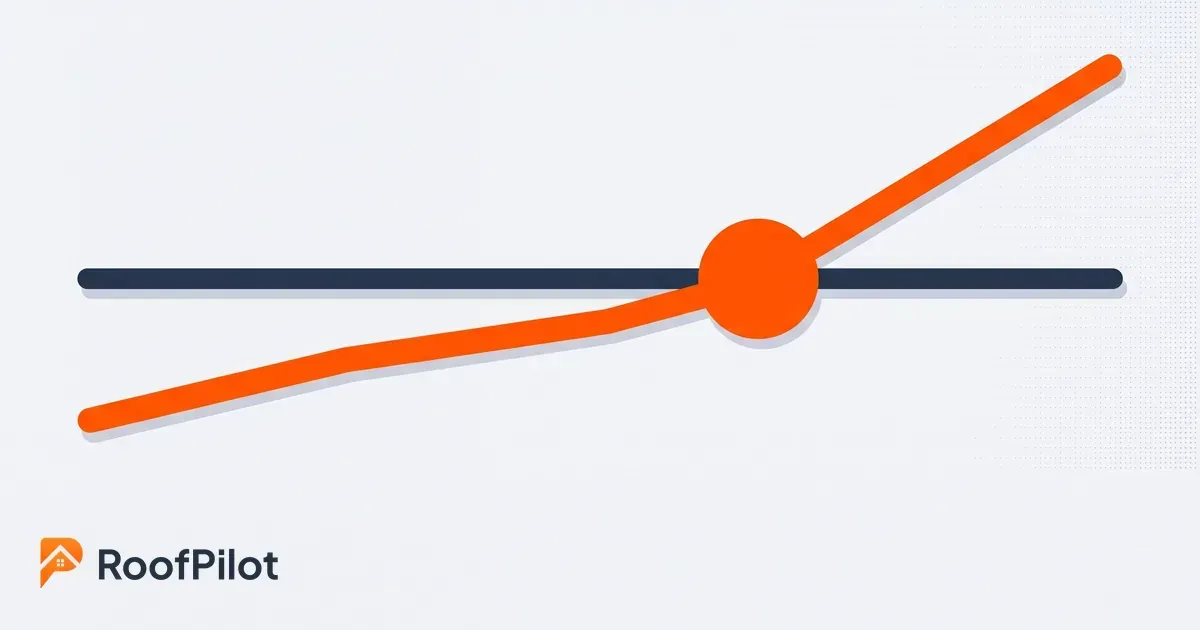
The ROI of roofing software is not a mystery, it is a calculation you can actually run. Return on investment is just what the software gives back, in time, in money you stop losing, and in jobs you win, set against what it costs you. The reason the question feels fuzzy is that most of the return hides in places nobody adds up, so it is worth learning how to add them up.
This guide shows how to run the numbers on roofing software for your own company. It covers the full cost, not just the sticker, the time you get back, the money you stop leaking, and the jobs you win that you would have lost, then a simple way to put it all together and prove it before you commit. You will not find a dollar figure here, because the only numbers that matter are yours. What you will find is the framework to plug them into.
Start with the real cost, not the sticker price
The cost of roofing software is more than the monthly price, so add up the whole thing before you weigh the return. The subscription is the obvious part. The parts owners forget are the setup, the hours your team spends learning it, and the temporary dip in productivity while everyone gets up to speed. A tool that looks cheap can carry a real switching cost, and a tool that looks expensive can be a bargain once you see what it replaces.
Write down every line. What you pay for the software, what it costs to get your data in and your team up to speed, and what you can stop paying for once it is running: the other subscriptions it replaces, the add-ons you no longer need, the hours currently spent stitching tools together. The honest cost is the new tool minus everything it lets you retire, plus the one-time cost of getting there. That is the number everything else gets measured against.
The biggest return is the time you get back
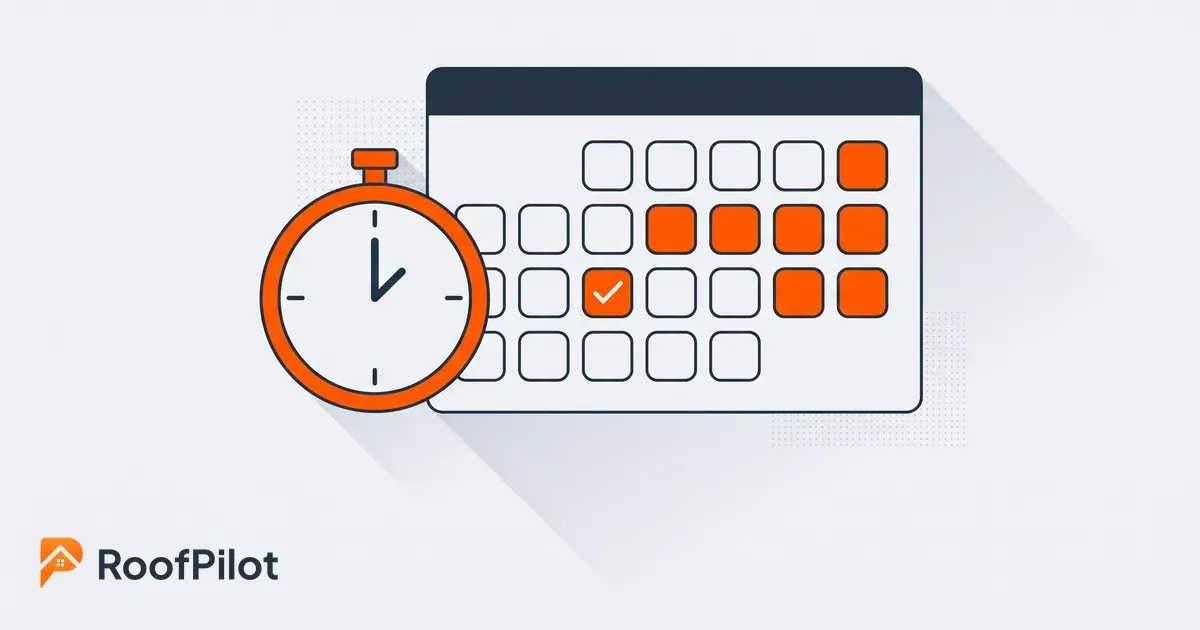
The largest return on roofing software is almost always reclaimed time, because admin quietly eats an enormous share of a roofing company's week. An economic study of small and medium businesses found they spend an average of 120 working days a year on administration, around 5 percent of total manpower, and for the smallest firms that climbs to roughly 17 percent. Every hour of that spent rekeying, chasing paper, and reconciling systems is an hour the software can hand back.
To value it, estimate the hours each week your team loses to work the software would remove, the double entry, the driving back to the office, the digging for a photo or a file, and multiply by what an hour of that person's time is worth to you. Do it for the office and the field. The number is usually bigger than owners expect, because the time is scattered in ten-minute pieces across every job and every person, which is exactly why it never shows up as a line anyone notices.
What this means for your business: The clearest return is hours, not features. Count the time your team loses to admin and manual hand-offs today, because that recovered time, valued at your own labor rate, is usually the single biggest number in the whole calculation.
Count the money you stop losing
After time, the next return is the money you quietly lose today and would stop losing, so put a number on the leaks. A mis-measured roof, a change order that never got billed, work that went out the door unrecorded, a slow collection that ties up your cash, each of these has a cost, and each is the kind of mistake a single connected system is built to prevent.
Go back over the last several months and count the ones you can remember: the jobs that came in under margin because a number was wrong, the extras nobody invoiced, the material over-ordered because the measurement and the order did not match. You will not catch them all, but even a rough tally of the leaks you know about gives you a defensible figure for what tighter, connected numbers would save. This is far easier when you already know your true cost on every job, which is the baseline the whole ROI rests on.
Count the jobs you win that you would have lost
Some of the return does not show up as savings at all, it shows up as jobs you win because you were faster and looked more professional. A quote that goes out same-day, a follow-up that actually happens, a proposal that looks sharp, each nudges your close rate, and a handful of extra jobs a month is real money at your margin.
This one is harder to pin down, so be conservative. Estimate how many more jobs you would reasonably close from faster quoting and reliable follow-up, and value them at your average margin per job, not the full ticket. Even a cautious number here often covers the software's cost on its own. Keep it honest, an inflated close-rate assumption is how ROI math loses credibility, but do not leave it out, because winning work you would otherwise have lost is a genuine part of the return.
Put the numbers together
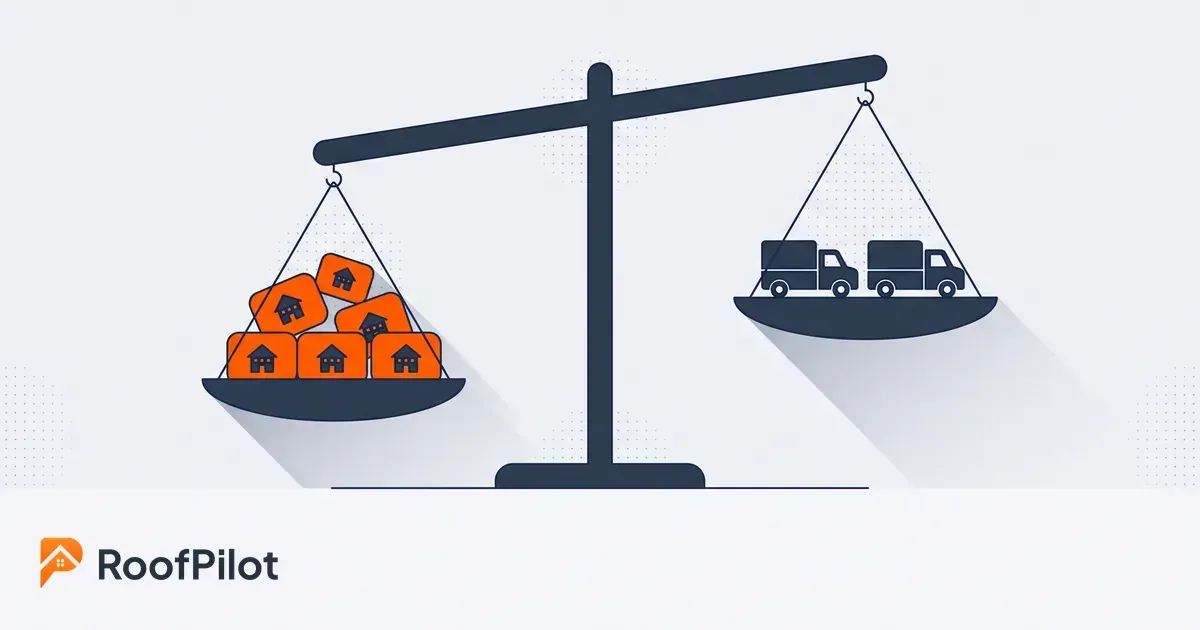
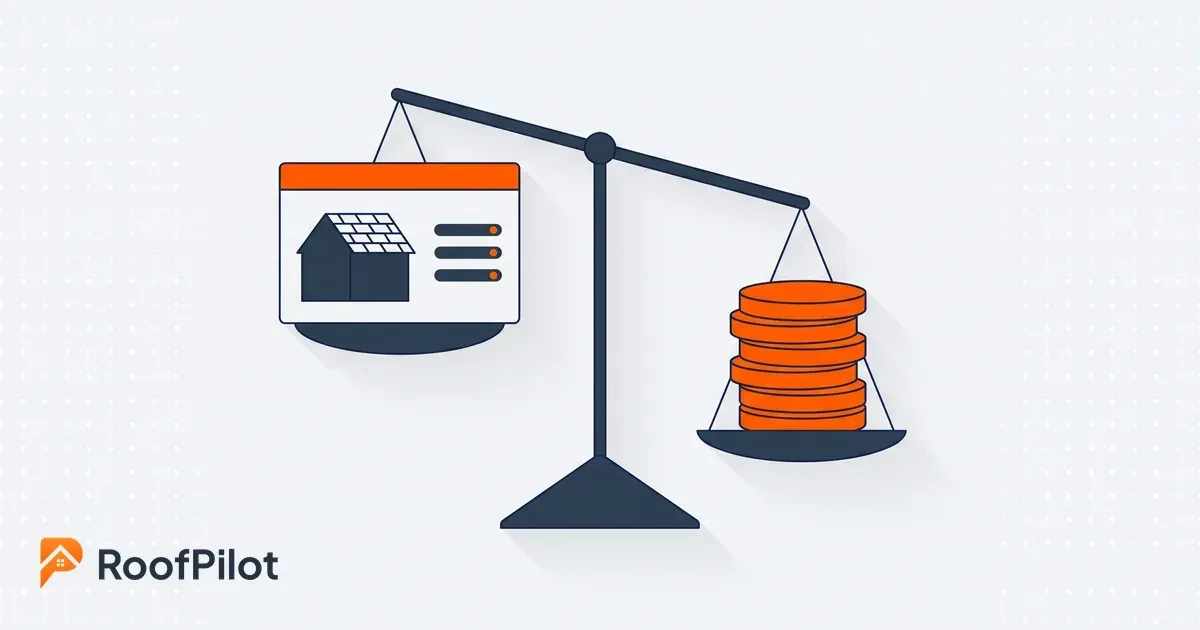
With those pieces in hand, the calculation is simple: add the value of the time you get back, the money you stop losing, and the extra margin you win, then set it against the honest annual cost. If the return is a comfortable multiple of the cost, the decision makes itself. If it is close, that tells you something too, and it usually means the gains hang on the tool actually being adopted.
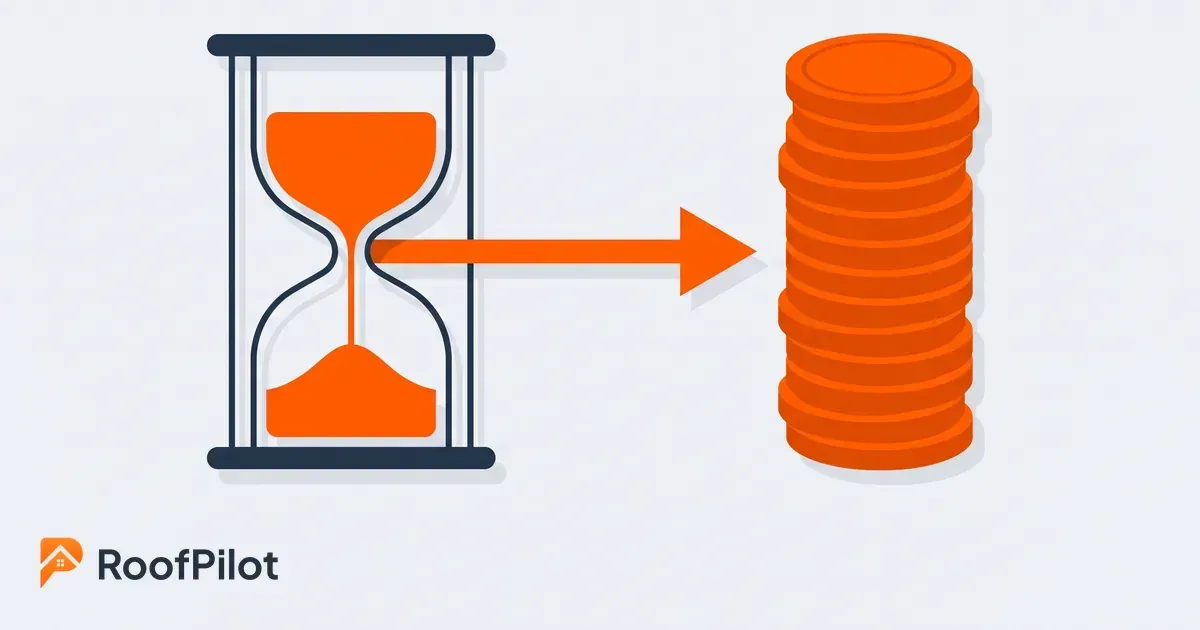
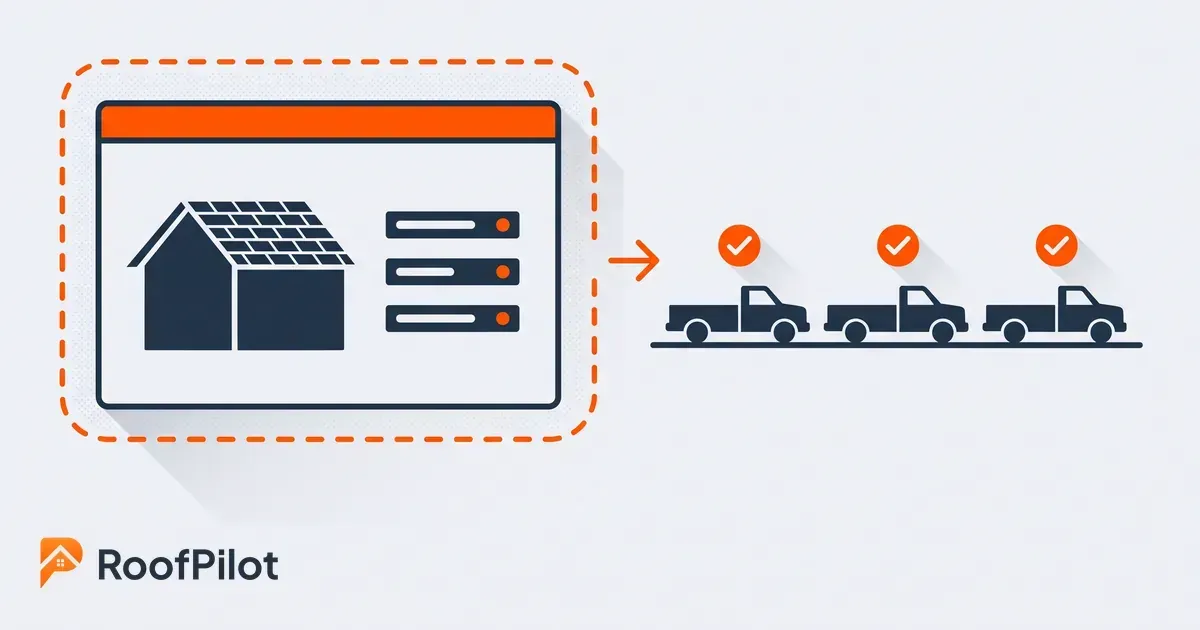
A useful way to frame it is payback period: how many months of the returns it takes to cover the first year of cost, setup included. A short payback with room to spare is a strong yes. This is also where the shape of the tool matters, because one platform that replaces a stack of point tools changes both sides of the equation at once, fewer subscriptions to pay for and fewer seams to lose time and money in. Run the numbers for the whole platform, not just a single feature, and the picture is usually clearer.
What this means for your business: ROI is one comparison, the total annual return against the total annual cost, expressed as a payback period. If you cannot say roughly how many months it takes the tool to pay for itself, you do not yet have the numbers you need to decide.
Prove the numbers before you commit
The last step is to stop estimating and start measuring, because the strongest ROI case is the one your own jobs produced. Before you commit the whole company, run the tool on a few real jobs first and check whether the hours saved and the leaks closed actually show up. A pilot turns your ROI estimate into evidence, and it catches the tools whose returns look great on paper and evaporate in the field.
Then commit on the numbers, not the pitch. If a small, honest test shows the time coming back and the mistakes going down, the full rollout is a decision you can defend to yourself and everyone else. Running the whole company on RoofPilot, where the job, its photos, its proposal, and its invoice are one record, is the kind of consolidation whose return is easiest to measure, because the time and the leakage it removes are the ones you counted going in.
The Bottom Line
The ROI of roofing software comes down to four numbers you already have the raw material for: the time your team gets back, the money you stop losing to errors and leakage, the jobs you win by being faster, and the honest all-in cost, setup and retired tools included. Add the first three, set them against the fourth, and read it as a payback period. Most of the return hides in admin time and quiet leaks rather than anything dramatic, which is why running the numbers beats guessing. Prove it on a few jobs before you commit, and the decision stops being a leap of faith and becomes what it should be, a calculation you have already checked.
Related reading: